42 reading food labels for cholesterol
Easy Guide to Understanding Food Labels When You Have High Cholesterol ... This means that your food may contain trans-fat even if the food label says 0 gram. Therefore it's important to check the ingredient list (more on this later). Cholesterol guidelines currently recommend having not more than 300 milligrams of cholesterol per day, and if you have heart disease, aim for less than 200 milligrams per day. 2. Reading Food Labels | ADA - American Diabetes Association Understanding Food Labels It's time to decode those food claims. Trying to figure out nutritional information on labels and packaging isn't easy. The good news is that we can help. Untangle packaging claims. If you get tripped up on food content claims, you're not alone. Fat free vs. low fat vs. reduced fat. Low cholesterol vs. reduced cholesterol.
PDF How Do I Understand the "Nutrition Facts" Label? "Nutrition Facts" Label? (continued) • Trans Fat - is also considered a "bad fat" because it can raise your LDL cholesterol and your risk of heart disease. Choose foods with "0" grams of trans fat. Read the ingredient list to avoid foods that contain "partially hydrogenated" oils. Everyone can benefit from limiting trans fat.
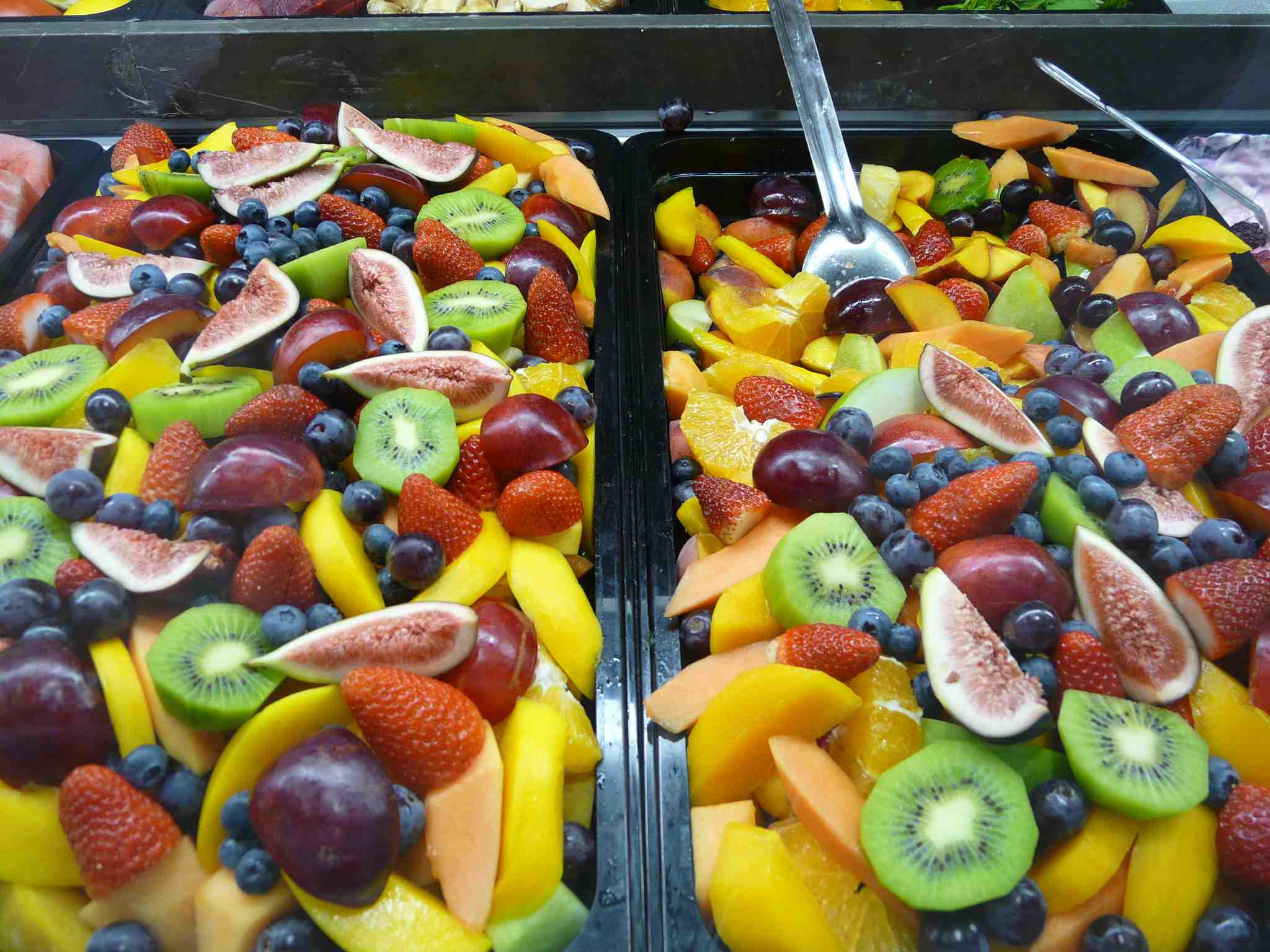
Reading food labels for cholesterol
How to understand food labels - Eat For Health Sometimes labels will include nutrition content claims like 'low fat', 'reduced salt' or 'high fibre'. These claims can only be used if the food meets certain criteria. For example, with a 'good source of calcium' claim, the food must contain more than a set amount of calcium. While nutrition content claims can generally guide ... How to Read Nutrition Facts Labels the Right Way - GoodRx However, foods that contain less than 0.5 g per serving are allowed to list the trans fats as 0 g on a nutrition label, so consumption of these fats is still possible. Foods that may contain small amounts of trans fats include: Packaged baked goods. Ready-to-eat frozen meals. Refrigerated doughs. Fried foods. Margarine. Shortening Understanding Food Nutrition Labels | American Heart Association 1 - Start with the serving information at the top. This will tell you the size of a single serving and the total number of servings per container (package). 2 - Next, check total calories per serving and container. Pay attention to the calories per serving and how many calories you're really consuming if you eat the whole package.
Reading food labels for cholesterol. Food Labels: Fat & Cholesterol | Home & Garden Information Center Limit these sources of unhealthy fat and cholesterol in the list of ingredients: animal fat (beef, ham, pork, bacon, lamb, chicken, turkey), lard, hardened fat or oil, egg and egg-yolk solids, cream, butter, whole-milk solids, palm oil, palm kernel oil, hydrogenated vegetable oil, vegetable shortening, coconut, coconut oil, and cocoa butter. How to read food labels: MedlinePlus Medical Encyclopedia Whole-grain breads, fruits and vegetables, and beans and legumes are high in fiber. Check the total fat in 1 serving. Pay special attention to the amount of saturated fat in 1 serving. Choose foods that are low in saturated fat. For example, drink skim or 1% milk instead of 2% or whole milk. Skim milk has only a trace of saturated fat. Reading food labels: Tips if you have diabetes - Mayo Clinic Look for foods with fats, cholesterol and sodium on the low end of the Daily Value; keep fiber, vitamins and minerals on the high end. If your doctor or registered dietitian recommends more or less than 2,000 calories a day, you may need to adjust the percentage accordingly — or simply use the percentage as a general frame of reference. PDF How to Read the Food Label - Risk Services Cholesterol. Cholesterol is in foods from animal sources, such as meats, poultry, fish, eggs, and dairy. Try to keep your cholesterol intake to less than 300 milligrams (mg) per day. A low-cholesterol food has less than 20 mg per serving. Sodium. Too much sodium (salt) may raise your blood pressure. Less than 2,300 mg of sodium each day . is ...
How to Read Nutrition Labels: Fat Content, Carbs & What To Look For Total Fat. Nutrition labels are required to include total fat, saturated fat, and trans fat. The total amount of fat in the diet is a percentage of your calorie needs. The recommendation for the typical American diet is around 30%. For someone taking in 2,000 calories, this would mean around 70 grams of total fat per day. 5 tips for decoding food labels - Harvard Health Here are 5 ways to make food labels work for you: Size matters. Serving size is always the first item on the label. All other information is based on that serving size. The servings per container tell you know how many portions are in the whole box, package, or can. Beware: many packages contain more than one serving. PDF TO CARE 4 YOURSELF READING A NUTRITION FACTS LABEL - novoMEDLINK sodium. Reading the label can help you compare the amount of sodium in foods so that you can choose lower-sodium options. Nutrition Facts 8 servings per container Serving size 2/3 cup (55g) Calories 230 5% 10% 0% 7% 13% 14% 20% *The % Daily Value (DV) tells you how much a nutrient in a serving of food contributes to a daily diet. 2,000 calories Interactive Nutrition Facts Label 2% Cholesterol 5mg 19% Sodium 430mg 17% Total Carbohydrate 46g 25% Dietary Fiber 7g Total Sugars 4g 4% Includes 2g Added Sugars Protein 11g 10% Vitamin D 2mcg 20% Calcium 260mg 35% Iron 6mg 6%...
How to Understand and Use the Nutrition Facts Label | FDA Dietary fiber, vitamin D, calcium, iron ad potassium are nutrients on the label that Americans generally do not get the recommended amount of. They are identified as nutrients to get more of.... How to Read Nutrition Labels - Frederick Health Serving Information (top of the label): The number of servings in the package or container and the serving size. The serving size is the amount that people typically eat or drink— not how much you should eat or drink. Calories (second on the label): A measure of how much energy you get from a serving of the food. How to Read Food Labels for a Heart-Healthy Diet Partially hydrogenated oil Omega-3 fatty acid Olive oil Butter What's important to know about the first ingredient listed on a label? It's the healthiest. It's in the largest quantity. It's first due to alphabetical order. What words should I look out for that mean sugar? High-fructose corn syrup Agave nectar Dehydrated cane juice All of the above How to Tell If Foods Are Low or High Cholesterol - Verywell Health Each food label should include milligrams (mg) of cholesterol per serving. Don't forget to look at the serving size as well. Sometimes products can seem low in cholesterol, but if you eat more than the recommended servings at one sitting, then you can end up consuming a lot more cholesterol than you intended.
Super foods - making each mouthful count - Catherine Saxelby's Foodwatch
PDF A Guide to Reading Food Labels - University of Rochester Food Labels Reading food labels can help you make wise food choices. Most foods list nutrition information on the package label, called Nutrition Facts. ... They may raise your blood cholesterol level, which can increase your risk of heart disease. Choose foods containing less than 10% of calories from saturated fat.

Achieve IELTS Reading Test 1
How to read food labels - Heart Foundation NZ The star rating is calculated using an algorithm that takes into consideration a number of positive and negative nutrients for a particular food. The positive elements include protein, fibre, fruit, vegetable, nut, seed and legume content. The negative elements include energy, sodium, saturated fat, and sugar.
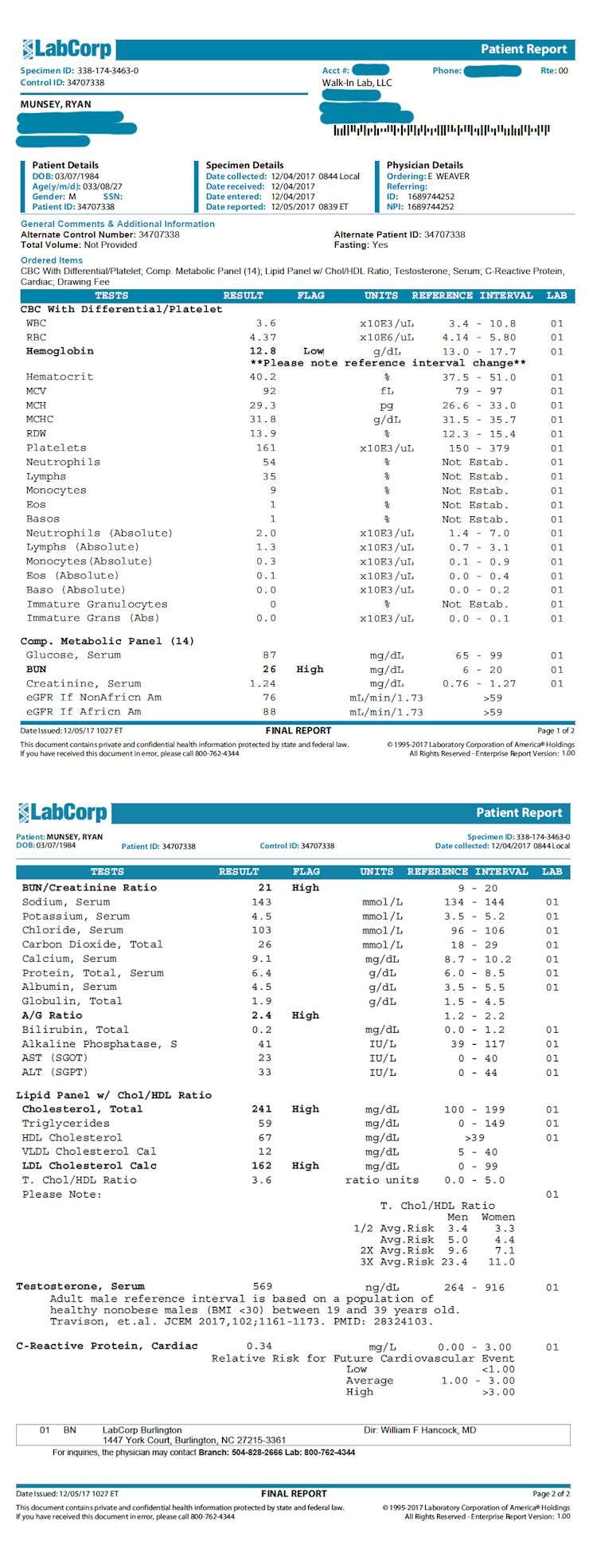
Canny Printable Low Cholesterol Food List | Katrina Blog
How to Read a Food Label - WebMD For example, "trans-fat free" or "fat-free" products can have only 0.5 mg of trans fats or fat; "cholesterol-free" foods can only have 2 milligrams of cholesterol and 2 grams of saturated fat.

Adventures in Hyderabad, India: Haikus - Or - Brevity and Banality
Reading Food Labels (for Parents) - Humana - Ohio Food-makers are required to clearly state on food labels whether the product contains these common food allergens: peanuts, tree nuts, milk, egg, fish, shellfish, soy, and wheat. In some cases, it's easy to identify what's safe to eat by checking the listed ingredients on a label.
Post a Comment for "42 reading food labels for cholesterol"